
Liposuction

Liposuction may be a suitable option if you have persistent fat deposits that do not respond to weight loss or exercise. Liposuction, also known as liposculpture, is a technique that removes fatty deposits to recontour specific areas of the body. It is particularly effective for targeting stubborn fat in regions that remain unaffected by diet and exercise. Ms Teo is particularly passionate about liposuction, having authored textbook chapters on this subject.
Procedure overview
Type of anaesthetic
Local or General
Length of operation
1-3 hours depending on areas targeted
Length of hospital stay
Day surgery or 1 night in hospital
Recovery period
A few days to 2 weeks off work
3-6 weeks before strenuous exercise
What you need to know
Suitability
Ideal candidates are adults within 30% of their ideal weight, with firm, elastic skin, and good muscle tone.
Patients should be in good overall health and free from life-threatening conditions or illnesses that can impair healing.
Combination with other treatments
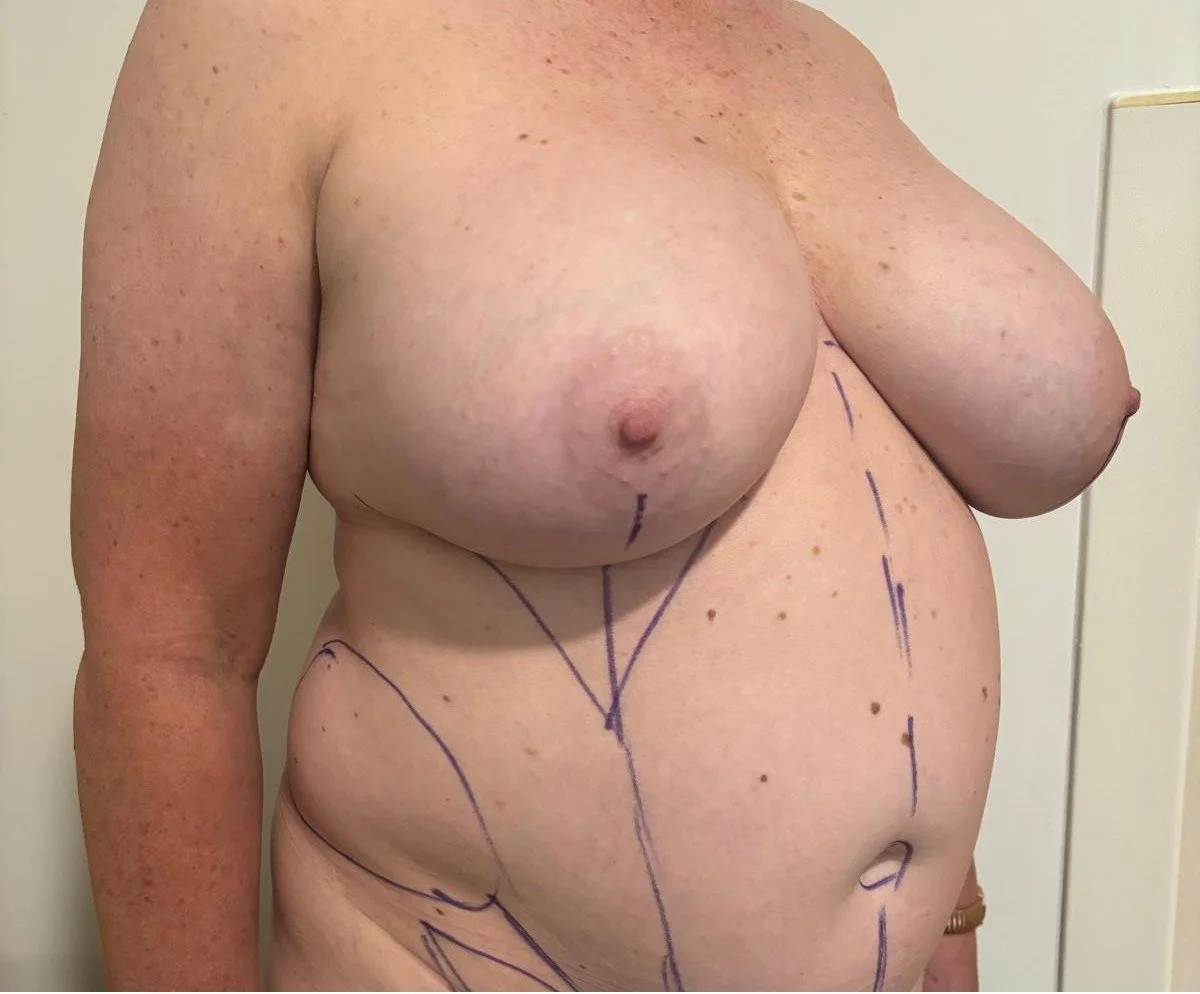
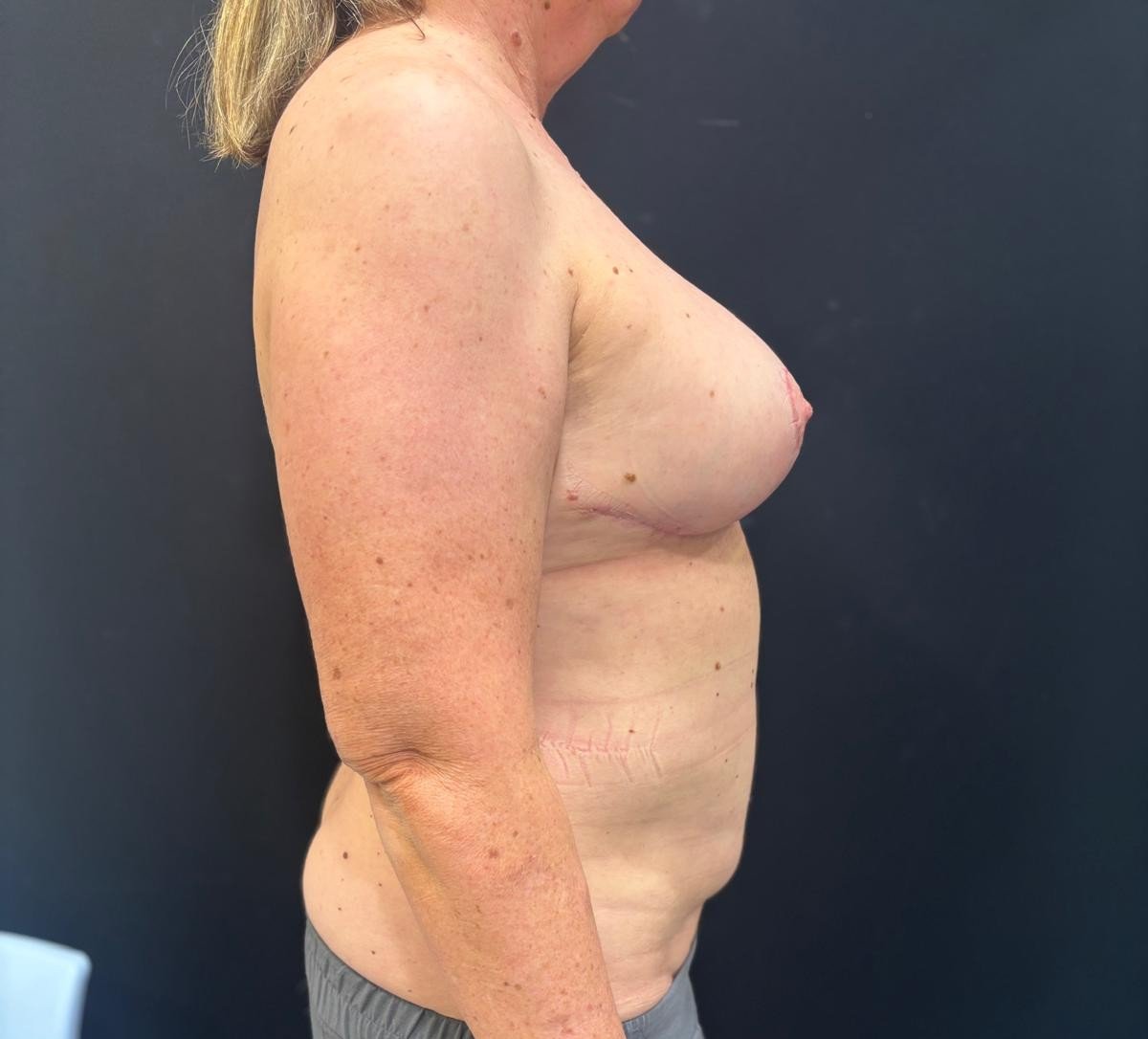
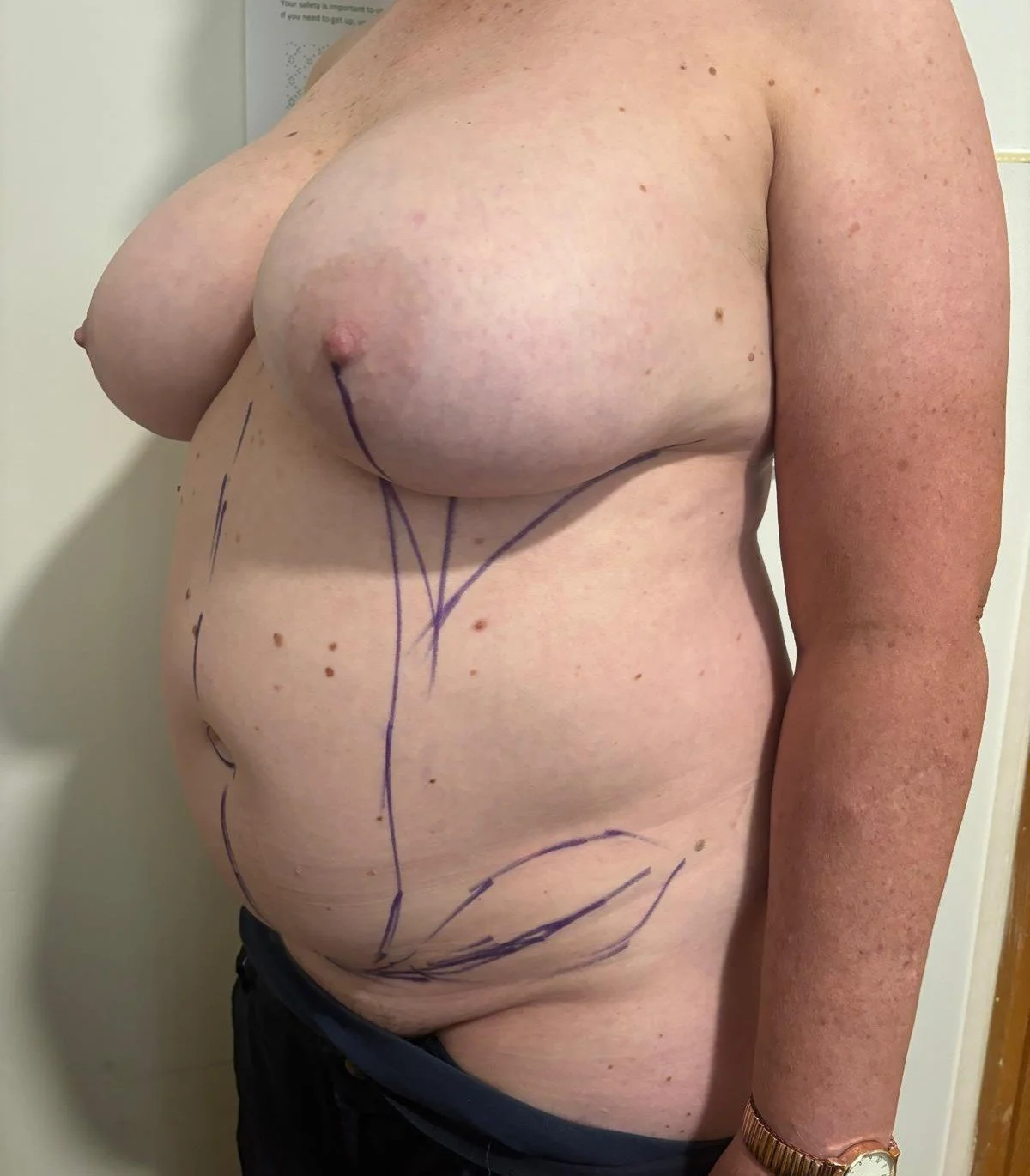
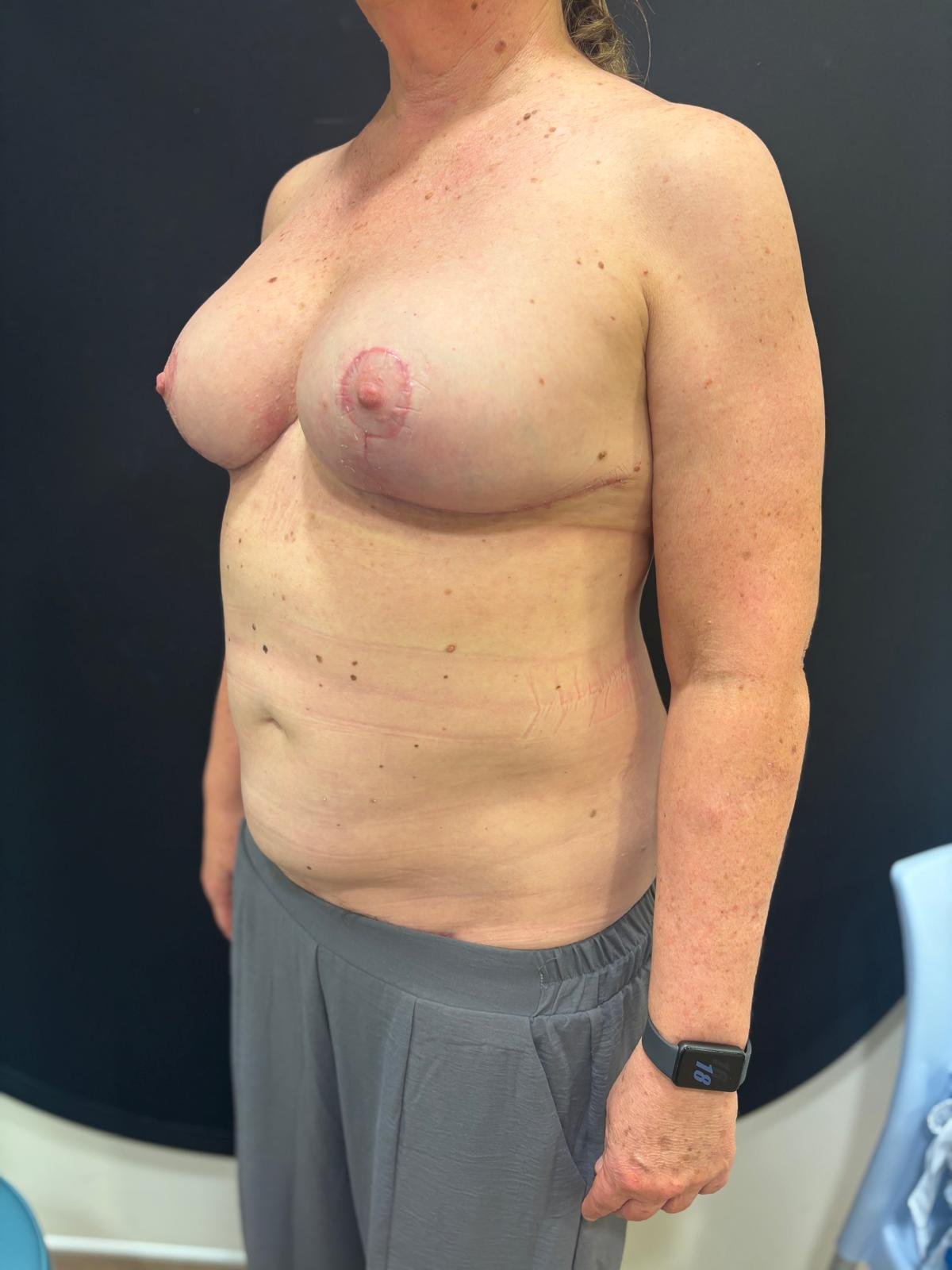
Mrs Teo frequently uses a combination of liposuction and lipofilling in breast aesthetics and reconstruction. This approach, known as liposculpture, involves removing fat from unwanted areas using very small cannulae and then using the harvested fat to fill other body sites. Additionally, liposuction can be combined with subdermal scar release in cases of "fat fracture," where tethered scars within the fat are divided to enhance body contouring following significant soft tissue trauma.
Procedure details
Liposuction is typically performed under general anesthesia or local anesthesia with sedation, depending on the extent of the procedure and patient preference. The surgeon makes small, inconspicuous incisions just beneath the skin and uses a thin tube (cannula), which is connected to a suction apparatus via tubing, to loosen and suction out the fat.
The cannula is meticulously maneuvered through the fat layer multiple times, breaking up fat cells and suctioning them out with a machine. Liposuction can target very localised areas like the hips or outer thighs, or it can be used to remove fat from broader areas such as the abdomen or back.
During the procedure, both the amount of fat removed and the infiltration fluid used are carefully measured, providing the surgeon with a clear indication of a successful treatment.
The duration of the procedure varies depending on the extent of the areas treated.
Types of liposuction
Wet Liposuction: A small amount of fluid containing anesthetic and epinephrine is injected into the treatment area to reduce blood loss and pain. This method allows for easier fat removal compared to dry liposuction (which is now rarely used).
Tumescent Liposuction: This is the most common and safest technique. A large volume of fluid (a mixture of saline, anesthetic, and epinephrine) is injected into the treatment area, causing the fat to become swollen and firm (tumescent). This technique minimises blood loss and provides significant pain relief during and after the procedure.
Superwet Liposuction: Similar to tumescent liposuction but with less fluid injected. The fluid amount is usually equal to the amount of fat being removed. It requires a shorter operating time compared to tumescent liposuction.
Recovery
Post-operative swelling and bruising are common but will subside over a few weeks. Compression garments are recommended to help reduce swelling and support your new contours.
Most patients can return to work within a few days and resume more strenuous activities in about 2 to 6 weeks.
Potential complications
As with any surgical procedure, liposuction carries certain risks, including infection, bleeding, and adverse reactions to anesthesia.
Other potential complications include contour irregularities, fluid accumulation, and changes in skin sensation.
Mrs Teo will discuss all possible risks and complications during your consultation to ensure you make an informed decision.





FAQs
-
Liposuction is a cosmetic procedure that removes excess fat deposits from specific areas of the body to improve contours and enhance overall body shape.
-
Ideal candidates are individuals who are close to their ideal weight but have stubborn areas of fat that do not respond to diet and exercise. Candidates should be in good overall health, non-smokers, and have realistic expectations about the outcomes.
-
No, liposuction is not a substitute for weight loss. It is a body contouring procedure meant to remove localised fat deposits that are resistant to diet and exercise.
-
Common areas treated include the thighs, hips, buttocks, abdomen, back, knees, legs, ankles, and neck. Liposuction can target both localized and broader areas of fat.
-
Preparation includes a thorough medical evaluation, discussing your goals and expectations with Ms Teo, and following pre-operative instructions. This may involve stopping certain medications and arranging for post-surgery care.
-
You may experience swelling, bruising, and discomfort in the treated areas, which will gradually subside over a few weeks. Wearing a compression garment can help reduce swelling and support the healing process.
-
Yes, liposuction can be combined with other cosmetic procedures such as a tummy tuck orr breast reduction to achieve more comprehensive body contouring results. The fat removed can be also used to augment areas to make them fuller, for example the breasts.
-
Liposuction involves small incisions, which typically result in minimal and inconspicuous scarring. These scars will fade over time and can be easily concealed.
-
Some discomfort, swelling, and bruising are normal after liposuction. Pain is usually minor and is manageable with prescribed medications and will decrease significantly within the first few days post-surgery.
-
Initial results will be seen immediately after surgery, but the final outcome will become visible as the swelling subsides, generally within 1 to 3 months.
-
Yes, the fat cells removed during liposuction are permanently gone. However, maintaining the results requires a stable weight and healthy lifestyle, as significant weight gain can affect your results.m description.
Ms Teo’s textbook chapters on liposuction
1. Teo I, Soldin M. Anatomy, physiology and pathology of body fat. In: Oxford Textbook or Plastic and Reconstructive Surgery. Ed. Kay S, Wilks D, McCombe D. Aug 2021
2. M Gasparotti, Teo I, Florio A, Lazerri D, Soldin M. Liposculpture. In: Oxford Textbook or Plastic and Reconstructive Surgery. Ed. Kay S, Wilks D, McCombe D. Aug 2021
Request a Consultation Today
Take the first step of your cosmetic surgery journey by requesting a personalised consultation with Isabel, where you can ask detailed questions, discuss your specific goals, and receive expert guidance tailored to your unique needs.