
Breast augmentation (implants or fat transfer)

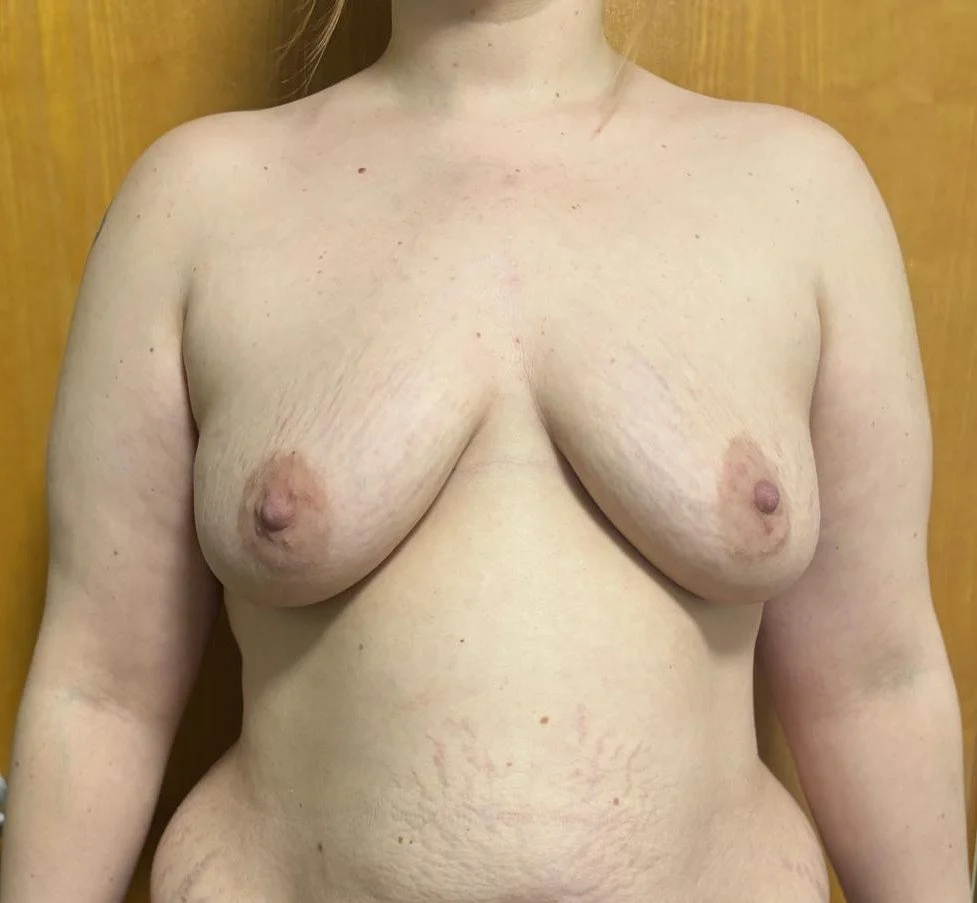
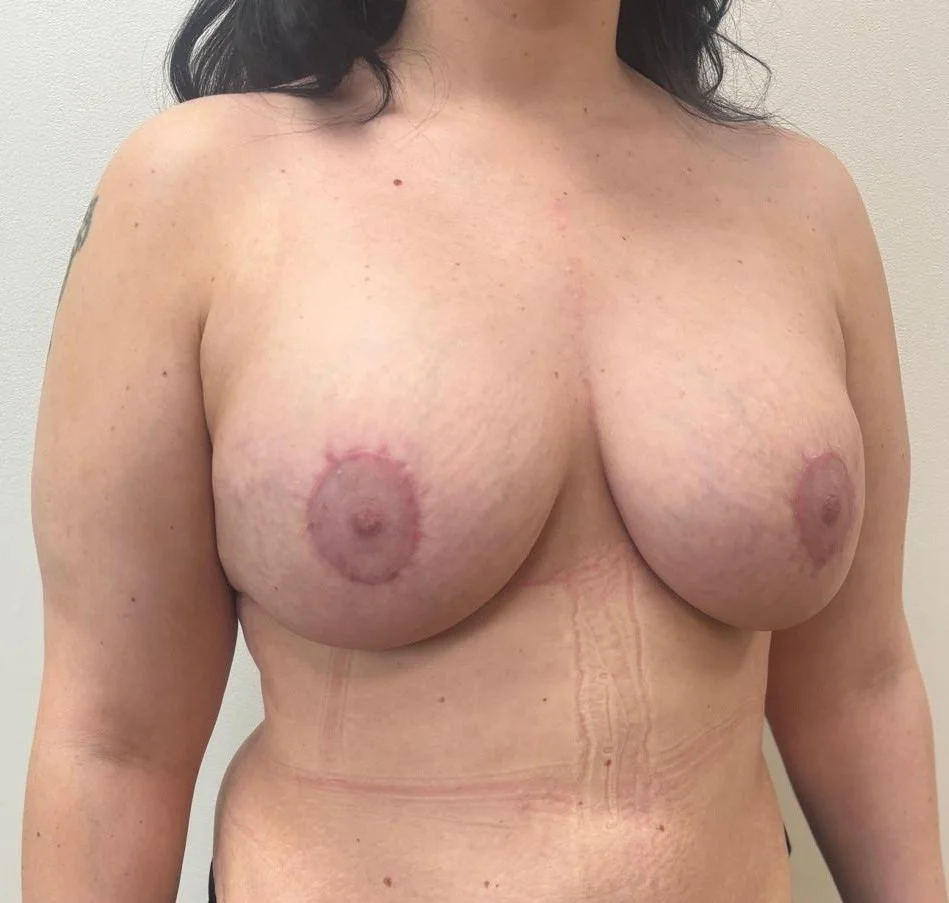
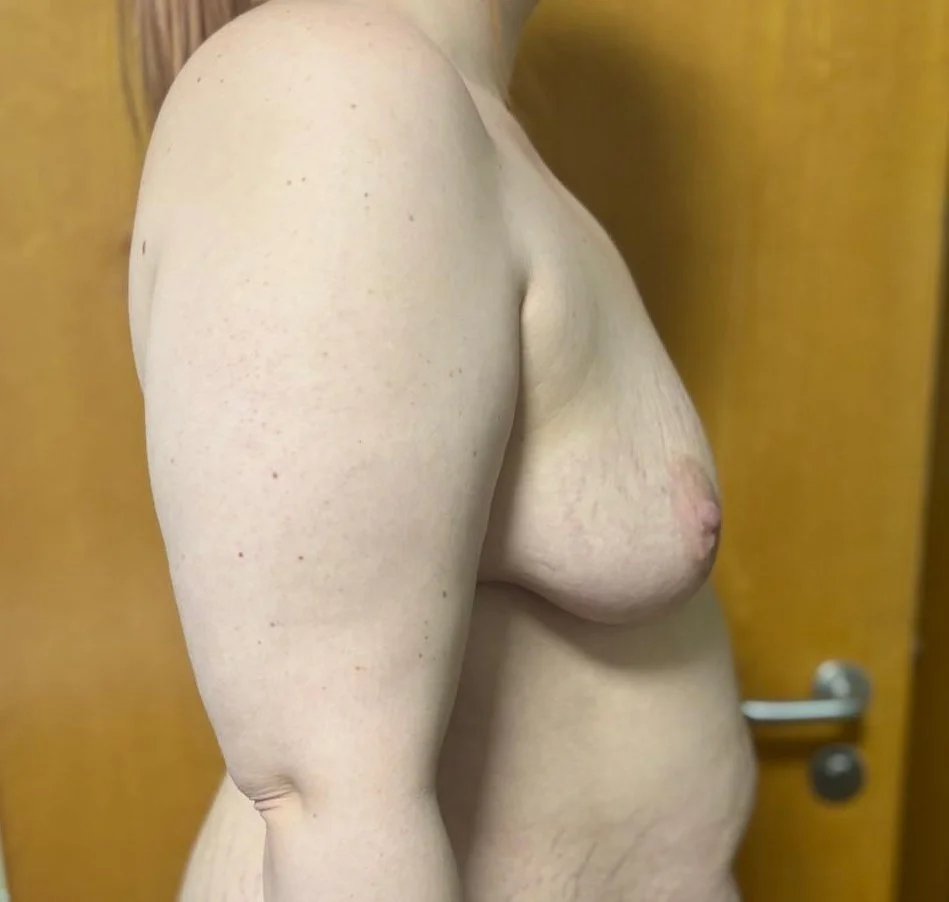
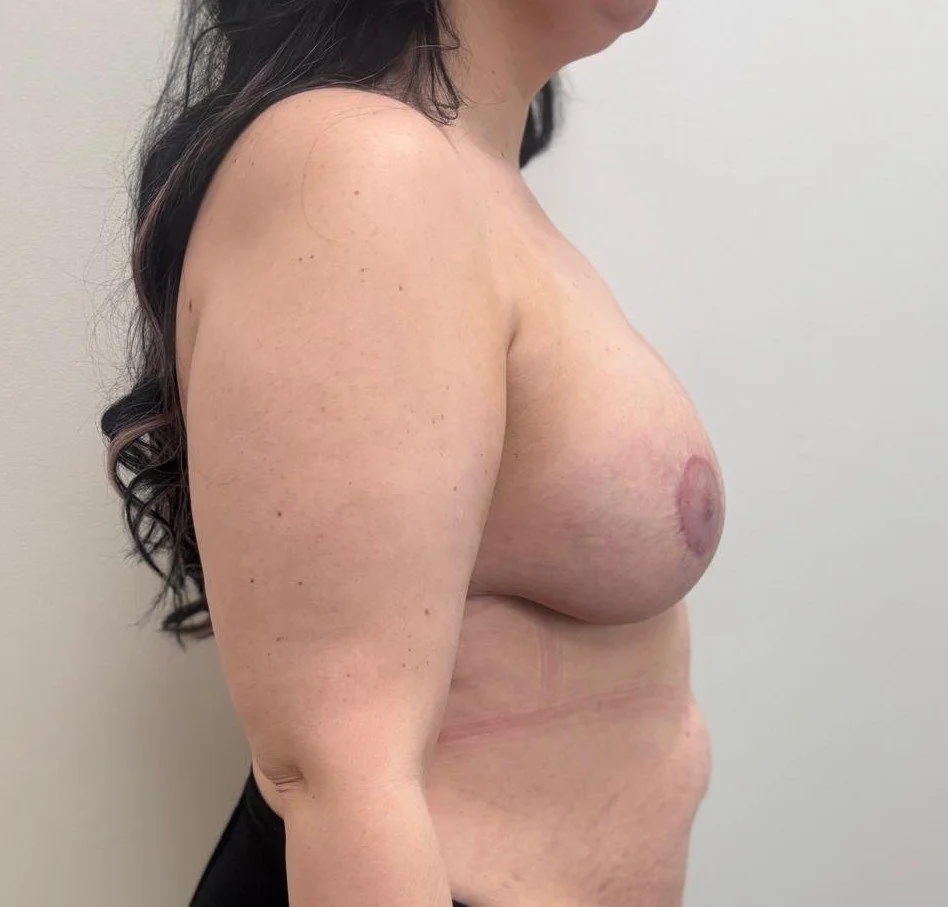
Breast augmentation is a popular cosmetic procedure designed to enhance the size, shape, and symmetry of the breasts through either implants or fat transfer techniques. Implant surgery involves the placement of silicone implants either behind the breast tissue or under the chest muscle, while fat transfer uses your own natural fat tissue harvested from other areas of your body.
Both techniques offer unique advantages for individuals seeking to improve their body contour, restore breast volume lost after weight reduction or pregnancy, or achieve a more balanced figure. Whether choosing implants or fat transfer, breast augmentation can significantly boost self-confidence and body image.
Procedure overview
Type of anaesthetic
General
Length of operation
1-2 hours
Length of hospital stay
Same day discharge
Recovery period
A few days to 2 weeks off work
3-6 weeks before strenuous exercise
What you need to know
Suitability
Ideal candidates are individuals in good overall health, with fully developed breasts, and realistic expectations about the outcomes.
Suitable for those looking to enhance breast size, correct asymmetry, or restore volume lost due to aging, weight loss, or pregnancy.
Combination with other treatments
Breast augmentation can be combined with other procedures. Common combinations include body contouring procedures like liposuction and tummy tucks or a breast lift (Augmentation Mastopexy). Combining treatments can provide more balanced and harmonious results, often with a single recovery period.
Procedure details
Breast augmentation is performed under general anaesthesia, with two distinct approaches available:
Implant-Based Augmentation: This technique involves creating a pocket either behind the breast tissue or beneath the chest muscle for insertion of the implant. Incisions can be made in various locations, such as under the breast crease, around the areola, or in the armpit, depending on the type of implant and the desired outcome.
Fat Transfer Augmentation: This technique begins with liposuction to harvest fat from areas such as the abdomen, thighs, or flanks. The collected fat is carefully processed and purified before being precisely injected into the breasts to create natural-looking enhancement. This dual-benefit procedure allows for body contouring of the donor sites while achieving subtle to moderate breast enlargement. Multiple sessions may be recommended to achieve optimal results.
During your consultation, Ms Teo will thoroughly discuss both options, helping you understand which technique might best achieve your desired outcome based on your anatomy, lifestyle, and aesthetic goals.
Types of implants
Silicone gel: Silicone gel breast implants are used worldwide and generally have an excellent safety profile. They can be round or teardrop (anatomical)-
Round implants: These implants can make breasts appear fuller and are less likely to rotate out of place.
Teardrop implants: Shaped to provide a more natural slope, these implants are thicker at the bottom and taper towards the top.
Recovery
Post-operative swelling and bruising are common but will subside over a few weeks. Initial recovery typically takes one to two weeks, during which time patients should avoid strenuous activities and follow all post-operative care instructions.
Wearing a supportive bra is recommended to aid in the healing process and provide comfort.
Most patients can return to work within a few days and resume more strenuous activities in about 3 to 6 weeks.
Potential complications
As with any surgical procedure, breast augmentation carries certain risks, including infection, bleeding, and adverse reactions to anesthesia.
Specific complications can include implant leakage or rupture, capsular contracture (hardening of the scar tissue around the implant), and changes in nipple or breast sensation. It's important to follow your surgeon's post-operative instructions closely and report any unusual symptoms immediately to reduce the risk of complications..
Mrs Teo will discuss all possible risks and complications during your consultation to ensure you make an informed decision.




FAQs
-
The best technique depends on several factors including your desired size increase, natural breast tissue, body type, and lifestyle. Implants are ideal for achieving more dramatic size increases and can provide very predictable results. Fat transfer is excellent for subtle enhancement and those wanting the most natural option using their own tissue. During your consultation, Ms Teo will assess your goals and anatomy to recommend the most suitable approach.
-
Breast implants typically allow for more significant size increases, with a range of implant sizes available. Fat transfer generally provides a more modest enhancement of about 1/2 to 1 cup size per session, though multiple sessions can be performed. The amount of enhancement possible with fat transfer also depends on having adequate donor fat available.
-
Breast implants are designed to be long-lasting, but they are not considered lifetime devices. Most implants may need to be replaced or revised at some point, typically after 10-15 years.
-
Choosing the right implant size is a highly personalized decision, and Ms. Teo will guide you through this process using a sizing kit. Bringing some of your stretchy tops can help you visualize how different implant sizes will look. The choice between round or teardrop (anatomical) implants and the placement location (below the breast or below the muscle) will depend on your unique breast shape and size. Ms. Teo will thoroughly explain these options to ensure you make an informed decision.
-
Many women with breast implants can successfully breastfeed, but this ability can depend on the type of surgery and implant placement. Discuss your breastfeeding plans with Ms. Teo during your consultation. As a mother herself, Ms. Teo understands the significance of breastfeeding and will prioritize your needs accordingly.
-
Light activities can typically be resumed after a few weeks, but strenuous exercises and heavy lifting should be avoided for at least six weeks.
-
Implant surgery typically results in a small scar in the breast crease, well-hidden in underwear and swimwear. Fat transfer results in minimal scarring - only tiny incisions at the liposuction sites which fade significantly over time.
-
If your breasts have become saggy, you might benefit more from a combination of breast enlargement and a breast lift (Augmentation Mastopexy). This decision depends on various factors, including the position of your nipples in relation to your breast crease, the size of any implant you desire, and whether you have experienced pregnancies or significant weight loss.
Request a Consultation Today
Take the first step of your cosmetic surgery journey by requestion a personalised consultation with Isabel, where you can ask detailed questions, discuss your specific goals, and receive expert guidance tailored to your unique needs.