
Brachioplasty (arm reduction)
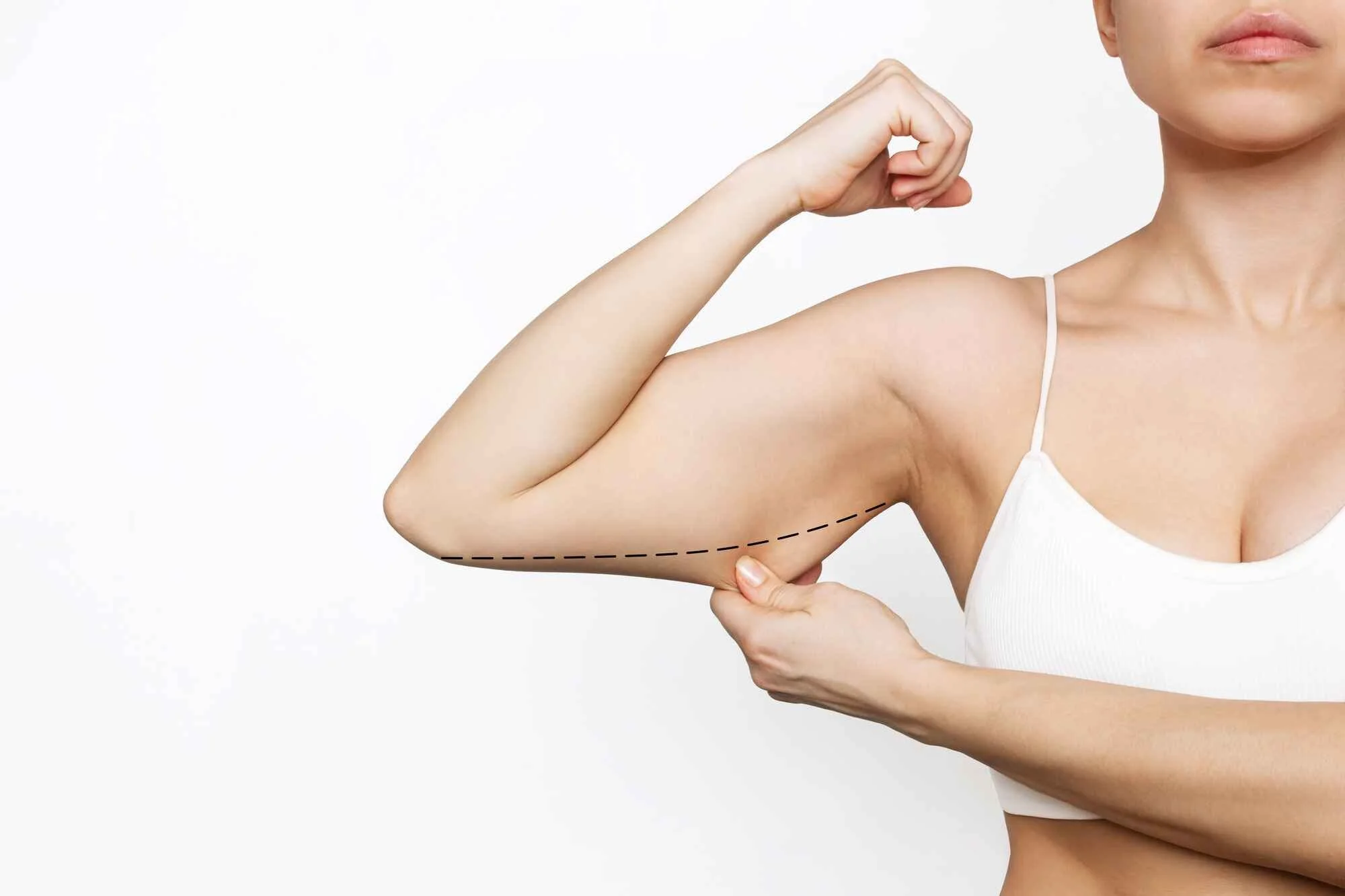
Brachioplasty, commonly known as an arm lift, is a surgical procedure designed to reshape and contour the upper arms by removing excess skin and fat. This procedure is often sought by individuals who have experienced significant weight loss or have loose, sagging skin due to aging.
Brachioplasty aims to create a more toned and youthful appearance in the upper arms, enhancing overall body contour and boosting self-confidence.
Procedure overview
Type of anaesthetic
General
Length of operation
2-3 hours
Length of hospital stay
Day surgery or 1 night in hospital
Recovery period
1-2 weeks off work
6 weeks before strenuous exercise
What you need to know
Suitability
Brachioplasty is ideal for individuals who have excess skin and fat in the upper arm area, typically due to aging or significant weight loss. Candidates should be in good overall health and have realistic expectations about the outcomes. It's crucial to consult with a qualified plastic surgeon to determine if this procedure aligns with your aesthetic goals and physical condition.
Combination with other treatments
Brachioplasty can be effectively combined with other cosmetic procedures for enhanced results. Many patients choose to pair it with liposuction to remove additional fat deposits or with body contouring procedures such as tummy tucks or thigh lifts for a more comprehensive transformation. Combining treatments can also reduce overall recovery time and provide more harmonious body contours. Discussing all your aesthetic goals with your surgeon will help in planning the most effective treatment strategy.
Procedure details
Brachioplasty is typically performed under general anesthesia and takes about 2 to 3 hours.
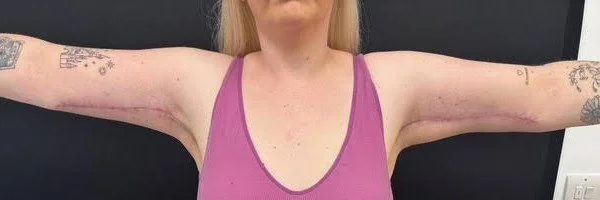
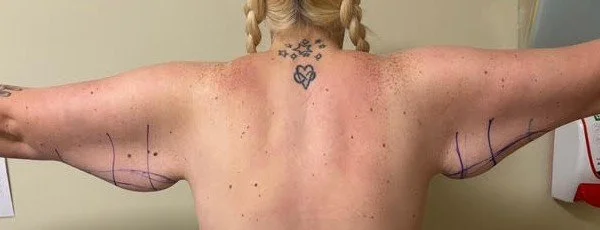
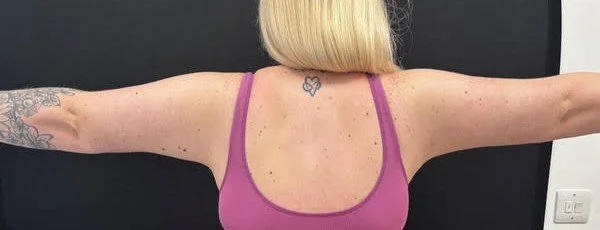
The surgery involves making incisions along the inside or back of the arm, extending from the underarm to the elbow. Through these incisions, excess skin and fat are removed, and the underlying tissues are tightened and reshaped. The incisions are then carefully closed with sutures to minimise scarring.
Types of brachioplasty
There are two main types of brachioplasty procedures tailored to the patient's needs. A traditional brachioplasty involves a long incision from the elbow to the armpit. A mini brachioplasty, suitable for those with minimal excess skin, involves a smaller incision in the armpit. Your surgeon will recommend the best type based on your specific condition and goals.
Recovery
Patients can expect swelling, bruising, and some discomfort, which can be managed with prescribed pain medication. Compression garments are often recommended to support the arms and reduce swelling.
Most patients can return to work within a few days and resume more strenuous activities in about 2 to 6 weeks.
Potential complications
As with any surgical procedure, brachioplasty carries certain risks, including infection, bleeding, and adverse reactions to anesthesia.
Specific complications include asymmetry, nerve damage, and prolonged swelling. It's important to follow your surgeon's post-operative instructions closely and report any unusual symptoms immediately to mitigate risks.
Mrs Teo will discuss all possible risks and complications during your consultation to ensure you make an informed decision.





FAQs
-
The procedure typically takes about 2 to 3 hours, depending on the extent of correction needed.
-
Preparation includes a thorough medical evaluation, discussing your goals and expectations, and following pre-operative instructions. This may involve stopping certain medications and arranging for post-surgery care.
-
Brachioplasty is usually performed under general anesthesia to ensure patient comfort and safety during the procedure.
-
The incisions for brachioplasty are typically made along the inside or back of the arm to minimise visible scarring. While scars are inevitable, they usually fade over time and can be well-concealed.
-
Initial results can be seen immediately after the procedure, but the final appearance will continue to improve as swelling subsides and the tissues heal. Most patients see the final results within a few months.
-
The procedure itself is performed under general anesthesia, so you will not feel any pain during the surgery. Some discomfort and swelling are normal in the days following the procedure, but these symptoms can be managed with prescribed pain medication.
-
The results of brachioplasty are generally long-lasting, especially if you maintain a stable weight and a healthy lifestyle. However, natural aging and significant weight fluctuations can affect the long-term outcomes.
-
Yes, brachioplasty can be combined with other cosmetic procedures, such as liposuction or body contouring, to achieve more comprehensive results. Discuss your goals with Ms Teo to determine the best approach.
-
As with any surgical procedure, there are risks involved, including infection, bleeding, changes in skin sensation, and scarring. Ms Teo will discuss all potential risks and complications during your consultation to ensure you are fully informed.
Request a Consultation Today
Take the first step of your cosmetic surgery journey by requestion a personalised consultation with Isabel, where you can ask detailed questions, discuss your specific goals, and receive expert guidance tailored to your unique needs.